




Advanced Program · One Weekend a Month
Trackers A-Team (Advanced Team)
This program offers an action-packed adventure for committed students ready to master tracking, contribute to their communities and nature, and develop independence through service. It has four primary elements:
Mentoring Weekends: 4 Overnights & 5 Field Days Fall to Spring.
Independent Study: Self-directed naturalist studies.
Service Learning: Service hours beyond program days.
Leadership Roles: Opportunities for leadership within Trackers.
Mentoring Days
Ongoing from September to June, the program includes 9 mentoring weekends with a mix of overnight campouts and outdoor field days. We focus on cross-training essential skills across our Four Guilds:
Rangers Guild
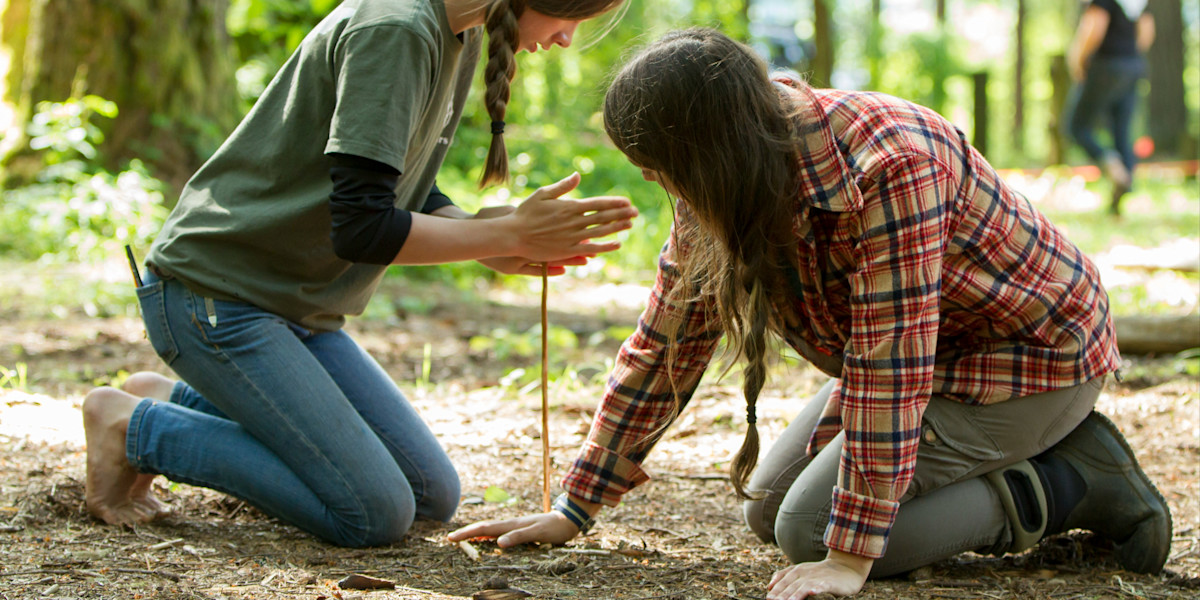
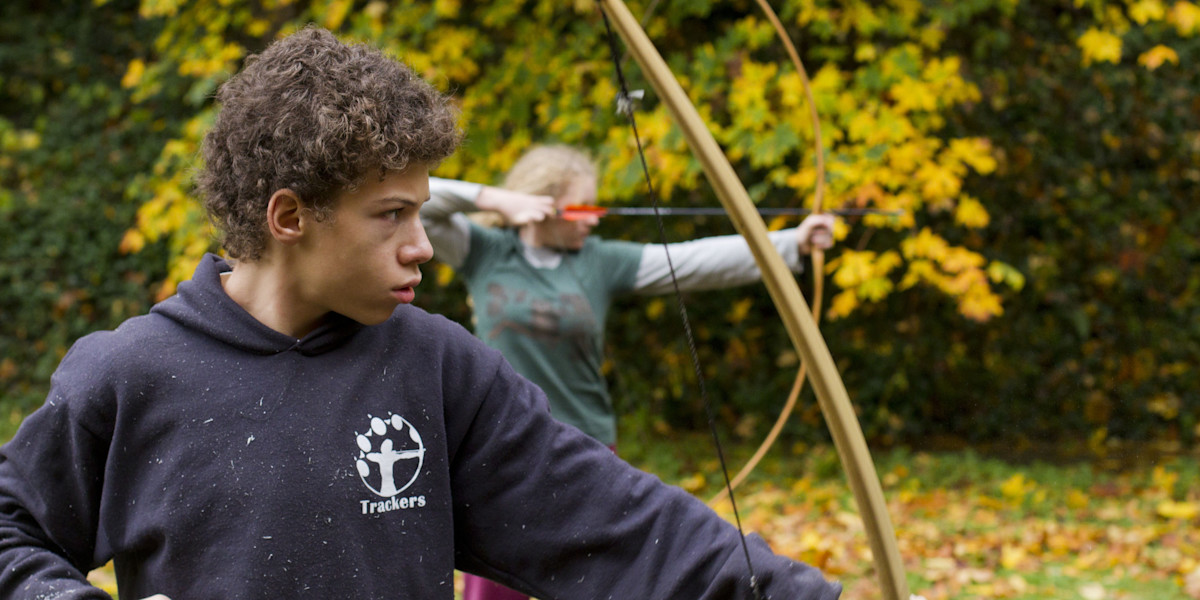
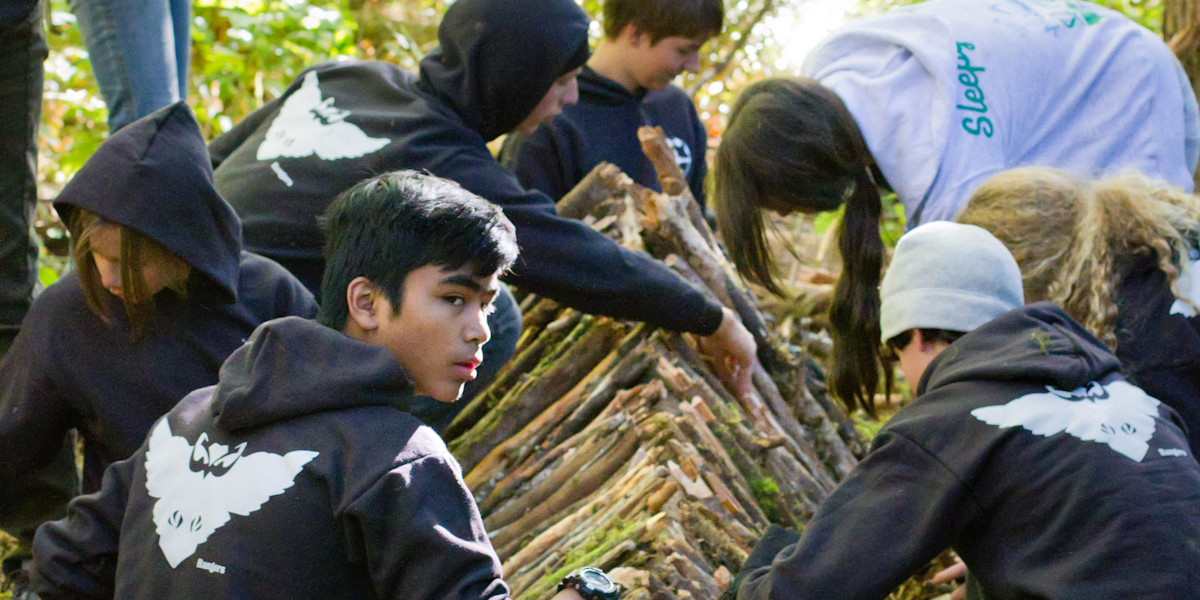
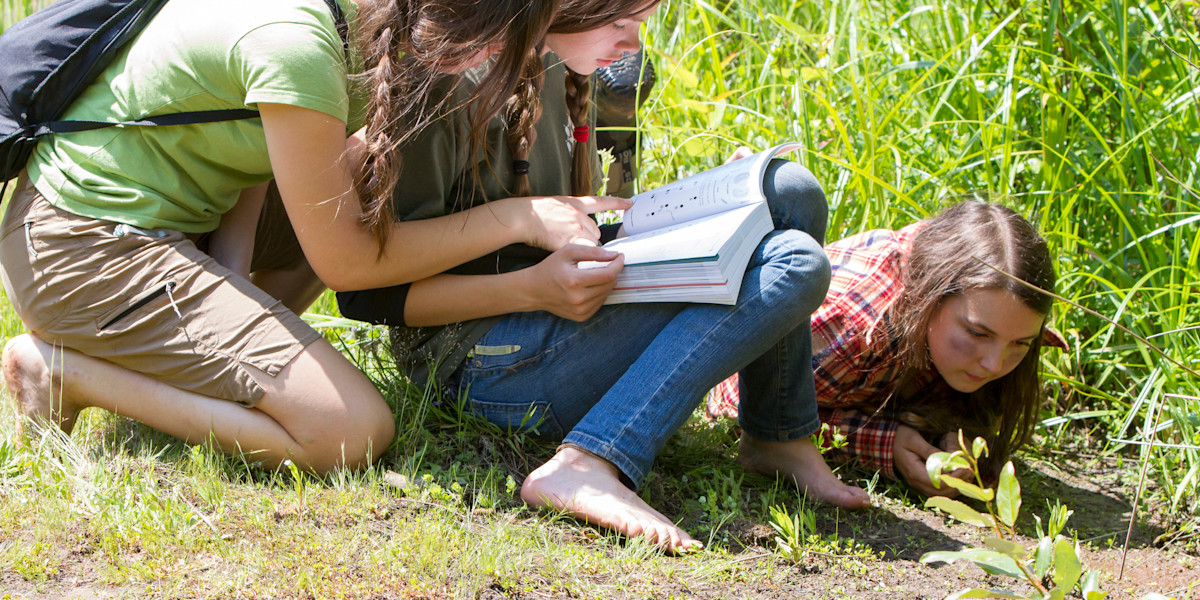
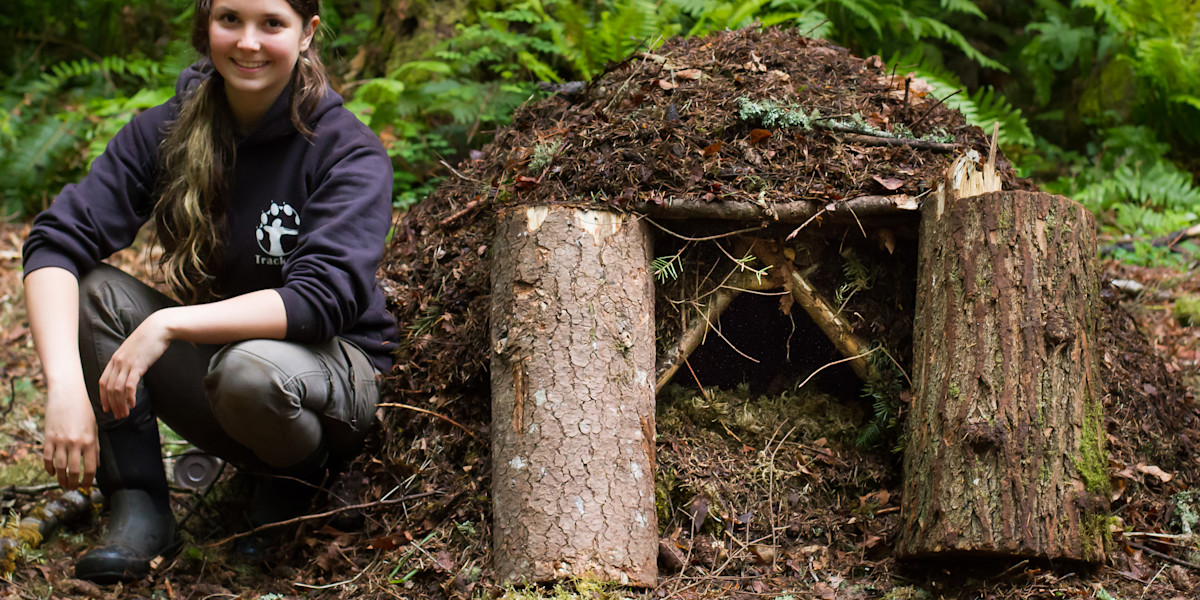
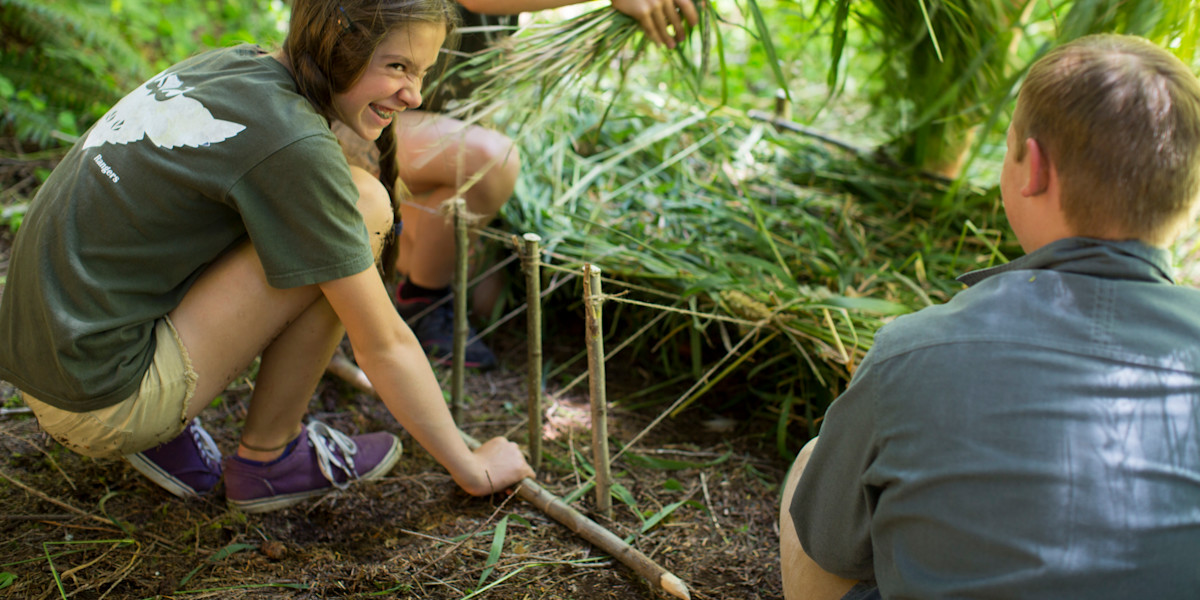
Our goal is for students to master all wilderness survival skills: shelter, water, food, and fire. We delve into the art of tracking, starting with animals and expanding to broader nature awareness. Students gain practical experience with hunting tools and techniques, preparing for game harvesting if interest develops.
Mariners Guild
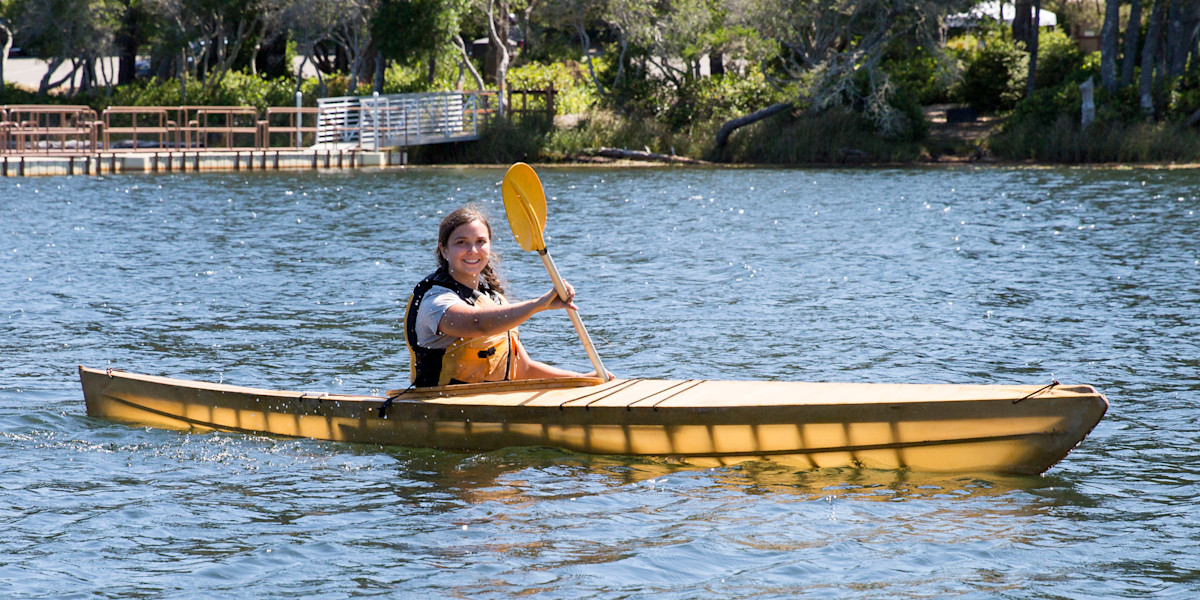
We focus on aquatic and marine species, exploring the bounty of our waters through seasonal harvests. Training covers boating safety and paddling skills in canoes or kayaks, along with orienteering, navigation, and expedition skills for wilderness and global travel.
Wilders Guild
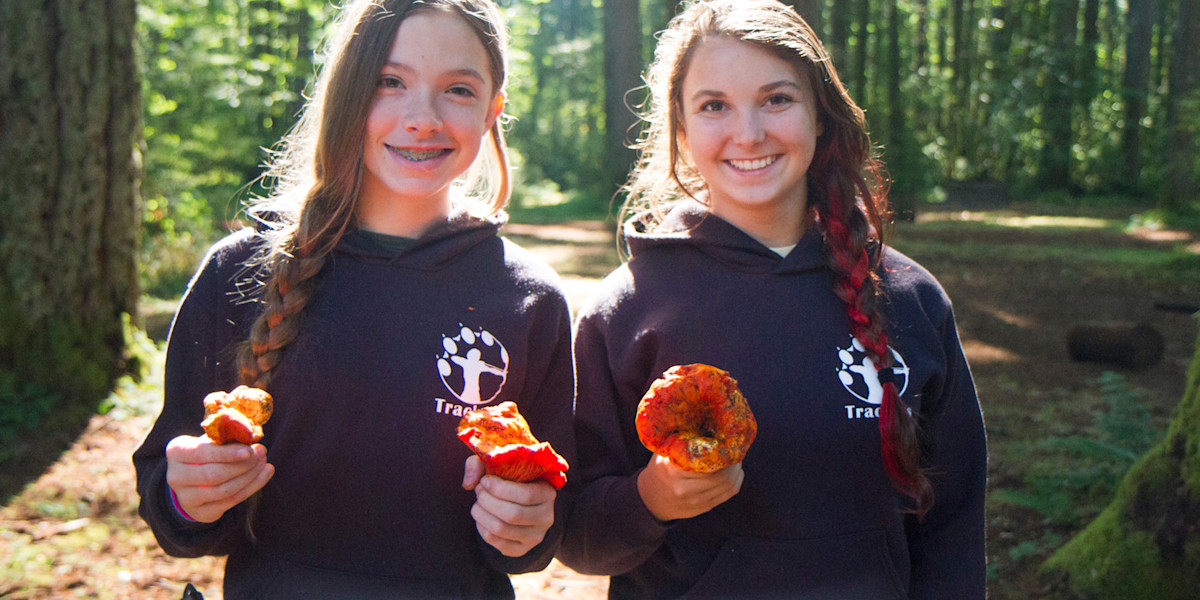
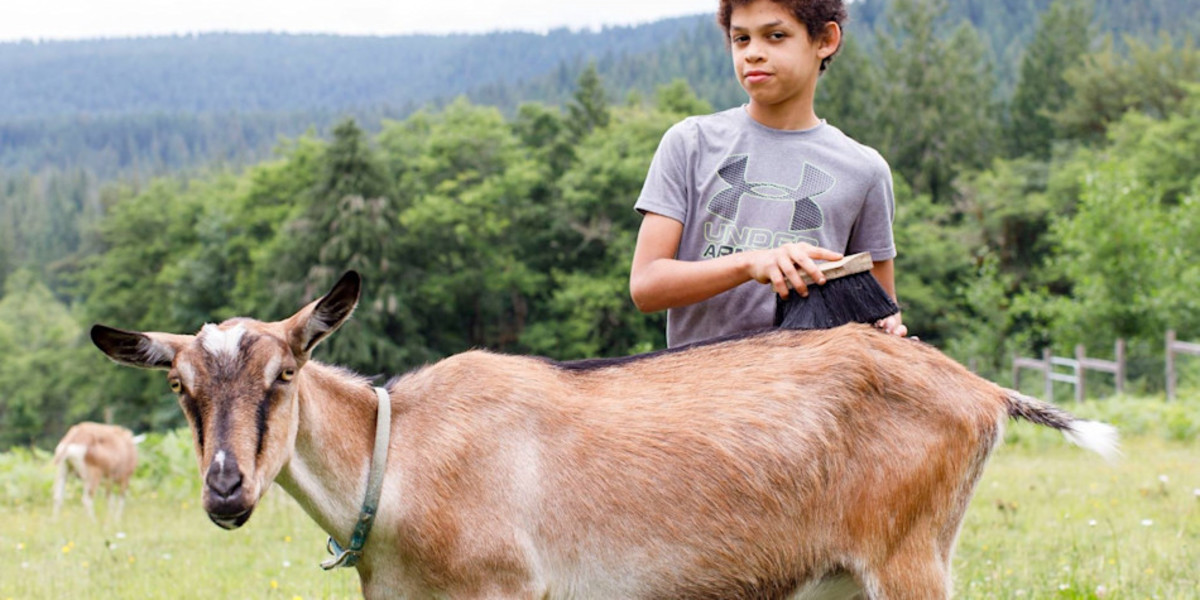
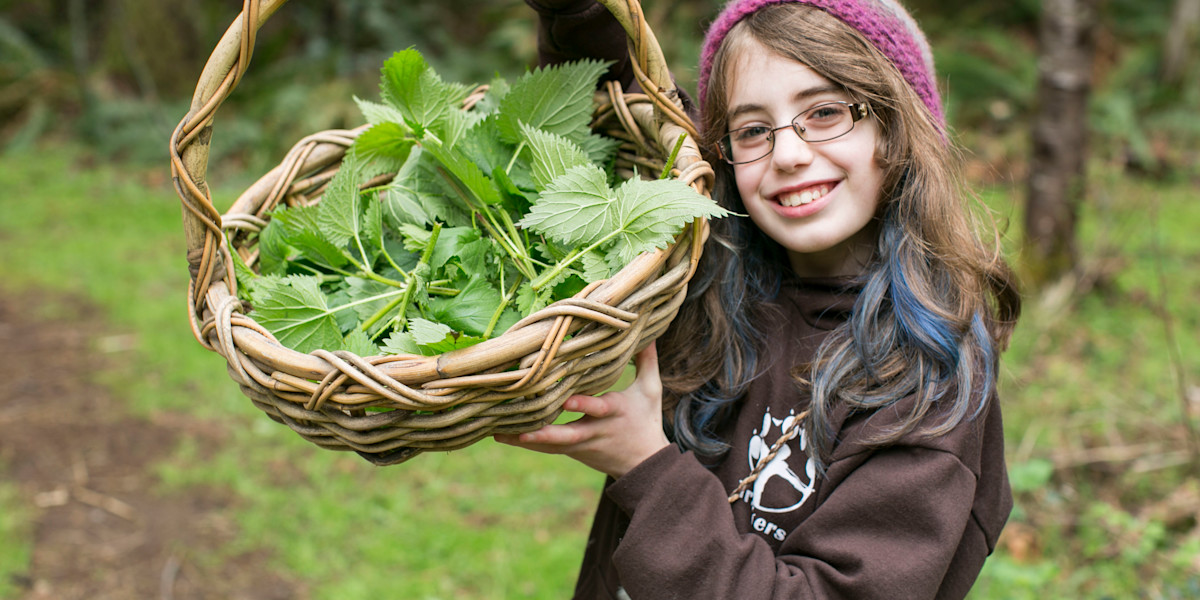
We delve into animal husbandry and care, including butchering livestock for homesteading. A significant focus is placed on foraging and wild food preparation, supported by seasonal botany studies. We maintain high safety standards for farm tools, tailoring tool usage to age groups.
Artisans Guild
We explore the fundamentals of folk crafts such as woodworking, ceramics, and blacksmithing. Through martial arts and stealth training, we enhance physical fitness. Storytelling is developed as a crucial survival skill, emphasizing thoughtful communication and its impact on the community.
Independent Study
Students are expected to engage in independent study to deepen their understanding of naturalist topics, supported by mentor-provided journals and study methods. Topics include:
Outdoor Safety: In-depth study of natural hazards.
Wildlife Tracking: Research to complement field tracking.
Botany & Ecology: Detailed study of plant taxonomy and biology.
Leadership & Strategy: Exploring how nature connects us to our community.
Service Learning
To benefit our wider community, students are asked to volunteer hours outside of Trackers, ideally in emergency response or community care, fostering a sense of service and community connection. This is a great way to make a difference and connect with others!
Leadership Role
Participants are young leaders in the Trackers Community. They have the option to share skills, becoming a force multiplier for learning in our community. Trackers A-Team students Grades 9–12 can attend extra apprenticeship days as Leaders-in-Training (LIT). They can also choose four free weeks of optional Leader-in-Training Summer Day Camps. Scheduling for LIT days is arranged with program mentors.
Our Mentors
This program is led by key program directors and our most experienced Trackers mentors. It also includes guest instruction from other skilled Trackers staff, including curriculum development from Molly and Tony Deis, Trackers' Founders. Core qualifications of all our educators include:
- Expertise in mentoring and Trackers skills.
- Low student-to-guide ratio facilitating personal, team-based learning.
- Background checked with First Aid & CPR certification.
- Trained in outdoor safety and the Trackers Earth curriculum.
Our Place
We journey from Trackers HQ to wilderness locations by shuttle with trained drivers. Our destinations include Trackers' private 351-acre wildlife park, our 100-acre farm and forest, and other wilderness sites. When the weather calls for it, we might choose to stay closer to home, learning hands-on folk crafts in our art studios and visiting nearby nature parks.
How It Works
Trackers A-Team Apprenticeship teaches advanced Trackers Skills one weekend each month from Fall to Spring in the following mentoring weekends:
Field Days · 5 total + Graduation
Saturday · Nov, Dec, Jan, Feb, Mar, + May (family day)
Camping Overnights · 4 total
Sat–Sun · Sept, Oct, Apr, May
Day Schedule
- 8:30–8:45 AM Drop-off
- 8:45 AM Journey to the Forest
- Field Site Outdoor Adventure
- 3:45 PM Our Journey Returns
- 4:15–4:30 PM Pick-up
Overnight Schedule
- Fri 4:30–4:45 PM Drop-off
- Sun 3:30–4:00 PM Pick-up
Application
To confirm a student Tracker's interest in learning advanced skills, this program requires an application. Applications are reviewed on a rolling basis, with acceptance notifications sent within two weeks. Given the very limited space in Trackers Teams, early application is advised.
Tuition
Reserve your spot with a $45 deposit (non-refundable). Remaining tuition is split into ten monthly payments of $198 starting August 31.
Returning Student Discount: Returning students receive reduced tuition based on years enrolled. 2nd year receive 15% off, 3rd year receive 25% off.
Sibling Discount: Enroll two or more siblings for 5% off monthly payments.
Required Gear: We require the purchase of a Trackers Team Kit, which includes a high-quality wool jacket, pants, and team patch. Average cost: $285.
Need Financial Help? We do offer financial aid for Trackers A-Team Apprenticeship—if needed please note on the application.
Choose Your Schedule
5 Field Saturdays · 8:30 AM–4:30 PM
4 Camping Overnights · Fri–Sun
+ Graduation · May 8, 2027
First Year: Join any available Fellowship schedule in your age range.
Returning: Choose your Fellowship schedule to rejoin your group.
Make-Up Days: We understand that plans can change! Each Apprenticeship includes one make-up day per year. When space allows, your child may join another Fellowship session. Please note that make-up for overnight weekends are limited due to fewer alternative options. We also offer make-up days for weather-related postponements.
Fellowship · Years 1–3
Grades 5–7 / 8–9 / 10–12
- September 25–27, 2026 Camping Overnight
- October 16–18, 2026 Camping Overnight
- November 14, 2026 Field Saturday
- December 12, 2026 Field Saturday
- January 23, 2027 Field Saturday
- February 27, 2027 Field Saturday
- April 3, 2027 Field Saturday
- April 23–25, 2027 Camping Overnight
- May 21–23, 2027 Camping Overnight
Graduation · May 8, 2027
Frequently Asked Questions
Does this program require prior experience?
No. While familiarity with Trackers activities can help, a motivated student will succeed in learning the Trackers Skills described here.
What are the sleeping accommodations?
Campers sleep in tents provided by Trackers, or they may use their own with approval from Trackers Guides to ensure functionality. Tents are all-weather and protect against rain and other elements. Campers must bring their own cold-weather sleeping bag and pad—equipment recommendations are provided upon registration. Campers learn to care for their tent and organize their Trackers Kit (gear and clothing) to stay clean, dry, and well-maintained. Nearly all activities take place outdoors. This is an authentic camping experience.
What kind of meals do student Trackers eat?
Meals are often served outdoors and may be cooked over an open fire or on personal camp stoves, depending on the season and logistics. Food is simple, similar to backpacking or expedition-style meals—such as hearty stews. This is not a camp for picky eaters. We may eat food we’ve butchered, foraged, or processed from the wild. Due to the rugged nature of this camp, accommodating specialized diets can be difficult. If your child has a severe food allergy, contact us. We may be able to coordinate with your Medical Doctor (MD) to adjust meal plans.
What is your medication policy?
We do not administer medication. Student Trackers are responsible for their own self-care, including remembering and taking their medication. This promotes independence and aligns with the program’s focus on self-sufficiency. All medications must be in original packaging, labeled with name and dosage, and kept in the student’s backpack. If a student carries an EpiPen or inhaler, they must keep it on them and inform the instructor of its location for emergencies.
What gear should we pack?
We provide gear recommendations for the Trackers Kit (gear and clothing) to prepare students for all-weather camping. The kit includes a sleeping bag, sleeping pad, outdoor clothing, and personal items. It also includes the required Trackers Uniform: a designated wool shirt-jacket, wool pants, and a Team patch. Before the program begins, we send packing suggestions with links to help families stock the kit efficiently and affordably.
Can my child bring their cellphone?
No—phones must be left at home. This is a strict rule. Electronics distract from developing real-world observation skills in the outdoors. Tracker Guides carry cellphones for necessary contact. While not a rule, we discourage both short- and long-term social media use. Digital distractions skew perspective and hinder situational awareness—a key survival skill. Developing this awareness requires being fully present in the real world.
How much time should my child commit to independent study?
This is up to the student. Independent training is intentional and just as important as guided instruction. The goal is self-sufficiency and competence. While not required, we suggest 2–4 hours per week for personal study in skills and tracking. This could include naturalist journals, backyard nature mapping, reading, or foraging seasonal wild foods like chestnuts and acorns. Parents may need to support access to greenspaces. We also encourage age-appropriate students to begin learning to drive—an important step toward independence and accessing wilderness areas for skill development.
How does the optional Leader-in-Training (LIT) opportunity function?
Students in Grades 9–12 may serve as a Leader-in-Training (LIT) for other weekend Apprenticeship programs outside of their primary program. LITs connect with and inspire younger campers, learning leadership through guided mentorship. While we ask for a consistent schedule, attendance is not required. LITs are present for their own growth and educational experience, and do not count toward student-to-staff ratios. All LITs must follow the LIT Code of Conduct and are held to high expectations as role models. Trackers A-Team Apprenticeship includes four free weeks as an LIT for summer day camps if the Apprentice meets standards throughout the year.
What is the default role of Grades 11–12 students as Leaders-in-Training (LIT)?
All overnight Apprenticeship students in Grades 11–12 are automatically considered Leaders-in-Training (LIT) as part of their primary program. LITs step up within the Trackers community, gaining hands-on leadership experience while learning from mentors and guides. They actively support the team and help younger Trackers under supervision, passing on knowledge from one generation to the next. This integrated role sharpens their skills and prepares them to be future mentors. While on program as LITs, Grades 11–12 are held to high standards and must consistently demonstrate responsibility, initiative, and care for others to continue in the role.
What am I getting my child and our family into?
Trackers offers genuinely fun summer camps, but the A-Team Apprenticeship goes beyond the typical experience. Its foundation is built on deep outdoor skills, taught through training as rigorous and comprehensive as martial arts. This demands focus and effort from the Apprentice, improving both academic and physical ability. Ecological thinking—especially in tracking—fosters understanding of complex systems, patience, humility, and strategic thinking.
What are the overnight age requirements?
Overnight youth programs are designed for participants 17 or younger for the full length of the camp or program, regardless of grade level.
What is the role of program mentors?
Program mentors are among Trackers’ best, overseeing curriculum and logistics for field days. They tailor their mentoring to each team, regularly checking in on student well-being. Mentors are available to families for advice on skills, independent study locations, and student progress.